
Last week was the annual ENERGY STAR Utility Sponsors Meeting. Attendees included representatives from the EPA, DOE, gas and electric utilities, program implementers, and other ENERGY STAR sponsors. I represented GoodCents and our utility partners. This year it was held in Baltimore, MD and consisted of 2 days of meetings with spirited discussion. The third day was an optional site visit to the Overlook Clipper Mill, a community of ENERGY STAR and LEED for Homes certified townhomes and duplexes. The topic on everyone’s mind was the new ENERGY STAR Version 3 specifications and how the market will respond.
Across the country electric, and some gas, utilities provide financial incentives to builders or homeowners of ENERGY STAR new homes. The incentives range from $200 to over $1,500 per home. The utilities are typically under orders from their state regulatory office to reduce energy consumption by a set amount. To achieve these goals the utilities operate energy efficiency programs for residential, commercial, and industrial customers. Most utilities have partnered with ENERGY STAR for residential new construction programs because of its commitment to proven savings, relative cost effectiveness, and national brand awareness. One interesting facet of these rebate programs is that most are not actually administered by the utility themselves. Instead a third party implementer, like GoodCents, will design and operate all aspects of the program.
The Version 3 specifications are a significant leap forward for the ENERGY STAR program and are more stringent than the current Version 2 specifications. The standards are taking a more holistic building science approach, which includes improved energy efficiency and moisture management. I will cover the Version 3 specifications in greater deal in a future post.
Nearly all of the ENERGY STAR sponsors at the meeting expressed some concern about the new standards and the potential for builder participation drop off. The responses to the new specifications range from 100% commitment to the new standards to creating tiered incentive structures with Version 3 homes at the top. The utilities are justifiably concerned that if the number of participating homes in their incentive programs decrease they may not meet mandatory saving goals.
Ted Leopkey with the EPA also announced that the ENERGY STAR High Rise (MFHR—LINK?) program will finally launch in mid-June of this year. The program pilot ran from 2005 to 2010 with 16 participating buildings. The typical building in the pilot used 26% less energy and only cost an additional 1.3% to build. The MFHR program is a whole new animal that is truly distinct from both the ENERGY STAR new homes and commercial programs. In some ways it shares more in common with the new homes program than ENERGY STAR for commercial buildings. MFHR buildings must be 15% more efficient than ASHRAE 90.1- 2007 and third party verified. Currently the EPA is requiring that the verifier is an architect or engineer, most likely whoever is also doing the design work for the project. Instead of submitting paperwork to a HERS Rating Provider, like with the new homes program, the verifier submits directly to the EPA.
On Friday we visited the Overlook Clipper Mill. The community consists of new homes with various architectural styles as well as renovated buildings. The homes incorporate many green elements and were visually exciting. In the photo below you can see one of the duplexes we inspected (Figure 1).
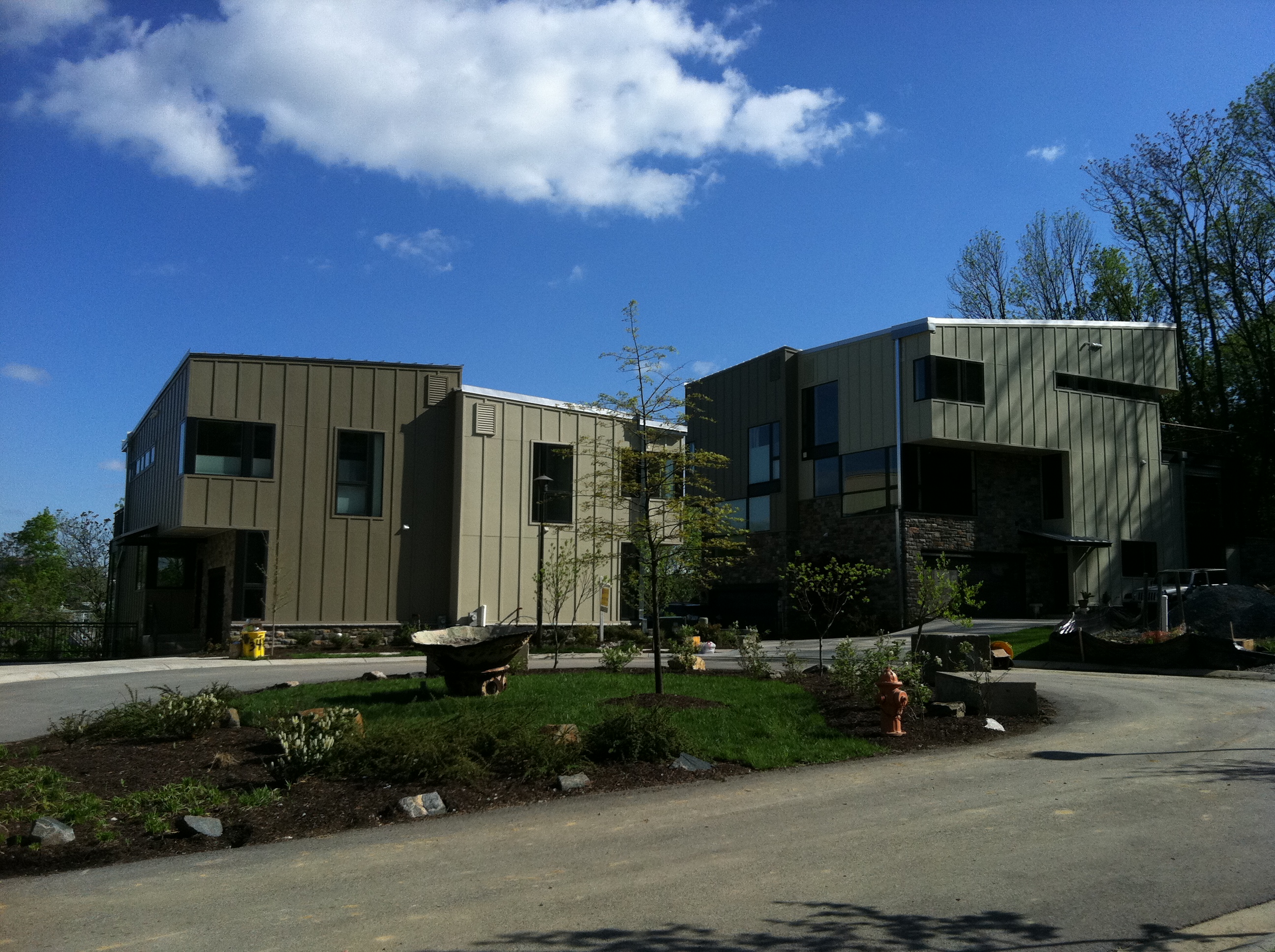
Figure 1. Duplexes in the Overlook Clipper Mill
Even though these homes are intended to be showcases of green and energy efficient features they too had areas that could be improved. The homes under construction were lacking air barrier on the interior side of the insulated fireplace chase walls (Figure 2). Although this requirement that vertical insulation is completely enclosed on all six sides is actually a Version 2 requirement, it proves to still be problematic. The Rater informed us that the builder recently switched fireplace installers and this would be remedied.
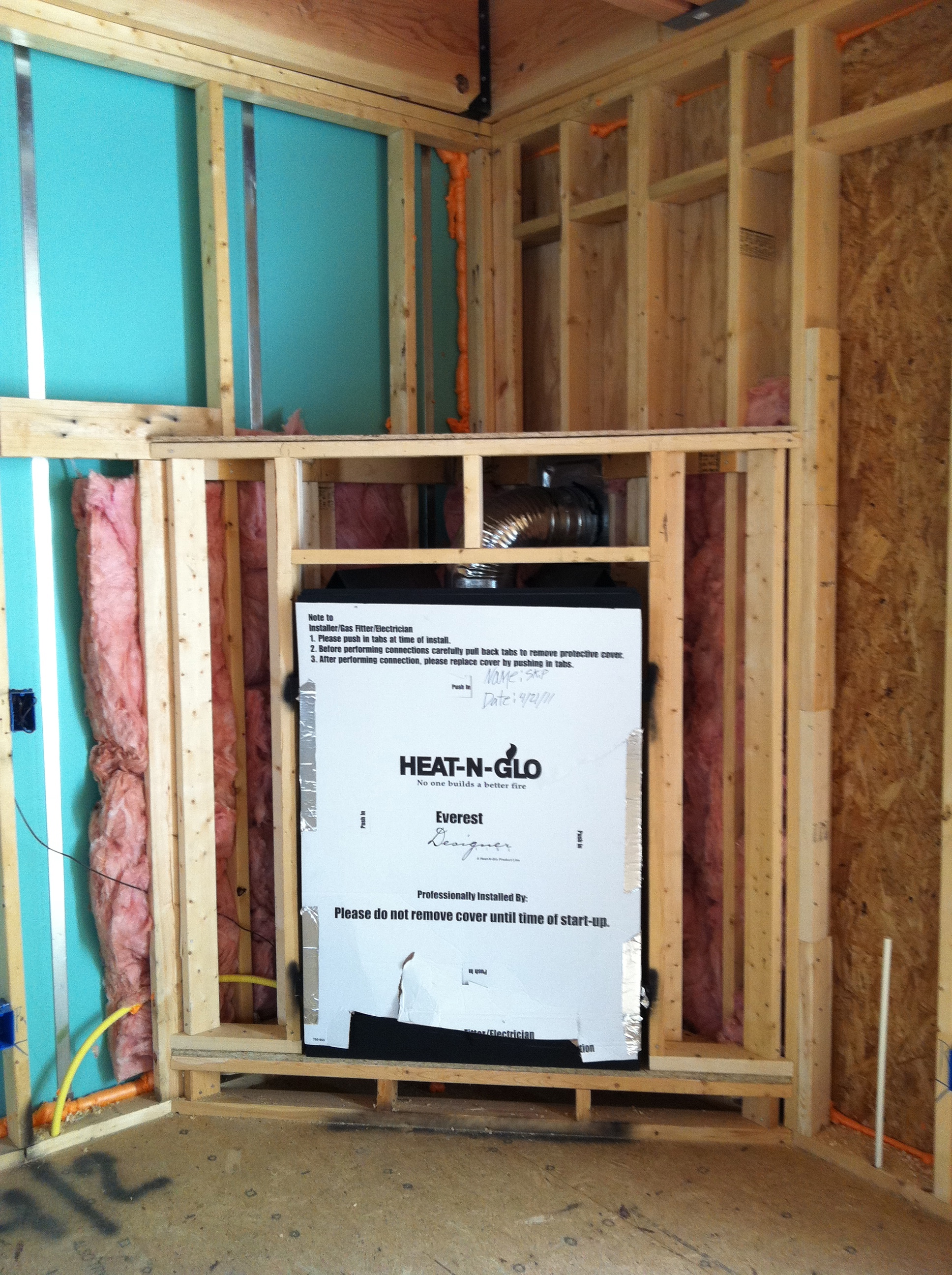
Figure 2. The exterior walls of fireplace chase should be insulated and fully enclosed on all six sides.
Lighting was another area that could use improving. The final homes contained a slew of halogen lights. You would enter a room and it felt like you were under a heat lamp in a restaurant waiting to be served! Sadly, such energy inefficient, yet architecturally appealing lighting is still commonplace (Figure 3).
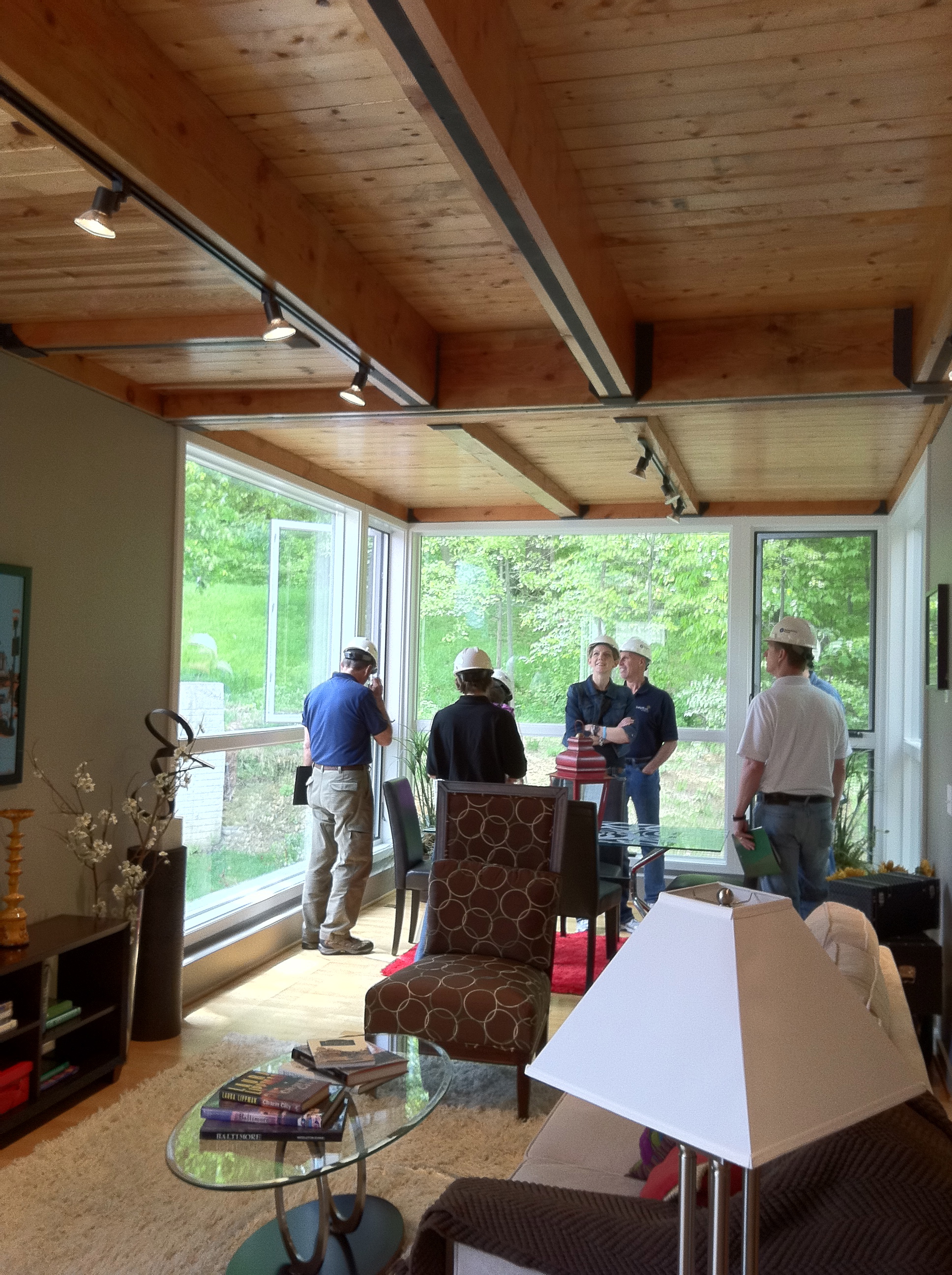
Figure 3. An interior view of the finished home with visually attractive, but energy inefficient lighting.
All in all, the site visits were very educational for attendees, especially those with little technical background. It was nice to visit an urban reuse/infill project. I enjoyed talking to other implementers and discussing how they handle building failures when conducting quality assurance/quality control (QA/QC) visits. I appreciate that Overlook Clipper Mill would allow us to visit their community and have a great deal of respect for any builder who allows a tour of 40+ people to scrutinize their work!

 No Faux Green